(1).jpg)
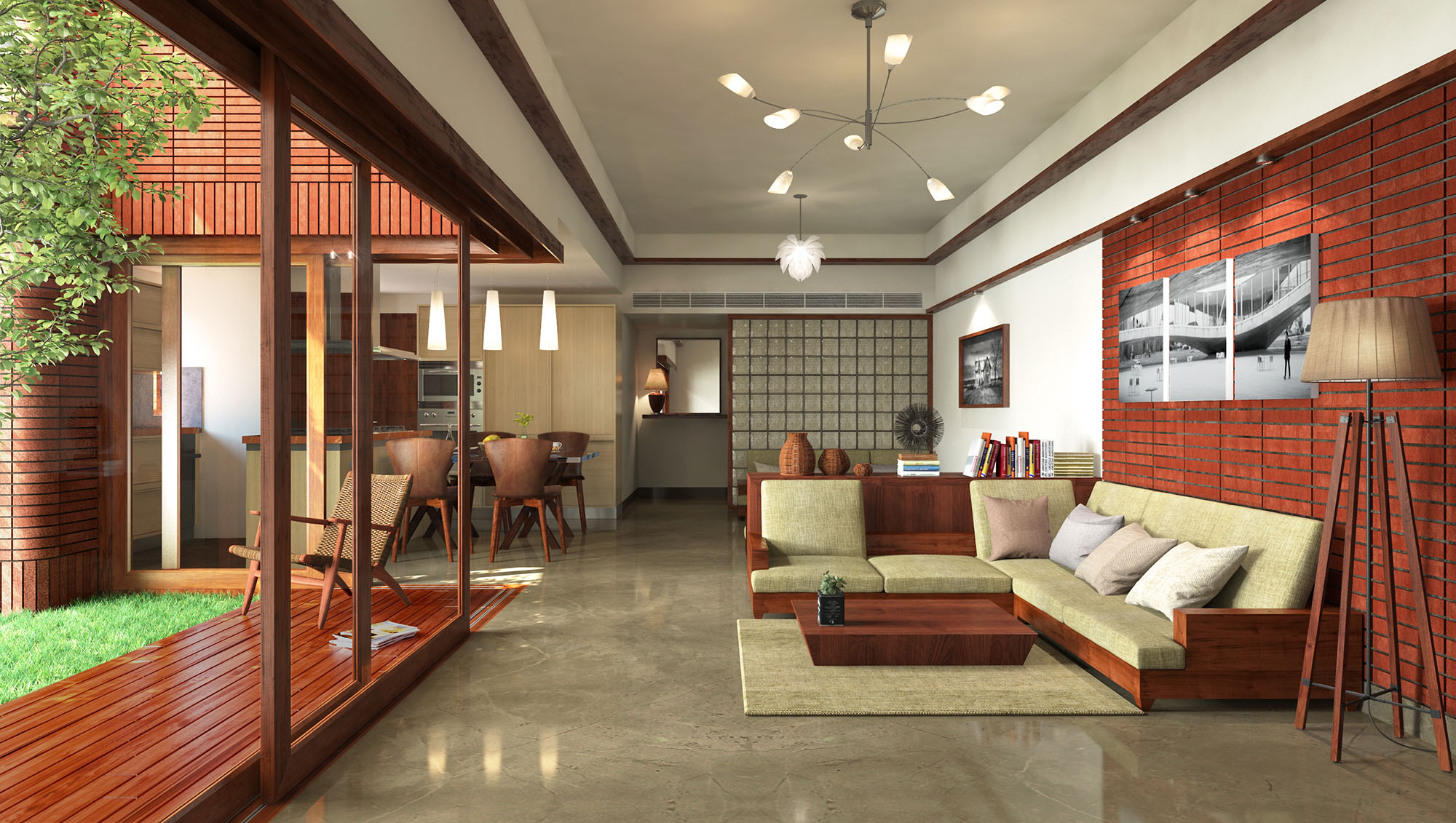
We rarely discuss the construction industry when discussing concepts like green living or energy conservation. This narrative, however, is changing, and sustainable real estate is becoming more popular among both builders and homebuyers. According to a Global Alliance for Buildings and Construction report, the green building market will grow at a compound annual rate of 14.3% between 2020 and 2027.
Modern eco-friendly homes combine a variety of practises, techniques, and initiatives with the ultimate goal of reducing the negative effects of construction on the environment and the health of those who live or work in them. From the use of sustainable building materials to the use of renewable energy sources such as solar panels, green roofs, or rain gardens, the new generation of homebuyers is well aware of the economic and environmental benefits of a sustainable property.
Why green construction is the need of the hour?
A building's energy consumption is highest during the construction phase. Building eco-friendly homes entails more than just making them energy efficient. It is also about optimising the use of locally sourced materials, taking into account the local ecology, and drastically reducing power, water, and material requirements. In India, initiatives to develop more sustainable building materials using science-based approaches are gaining traction.
Green buildings, by definition, promote a healthy environment and ecological balance. They have been shown to cut energy consumption by 20-30% and water consumption by 30-50%. 2 Although the initial cost of eco-friendly construction is 10-15% higher, the operational costs are comparatively low in the long run.
The global construction sector is estimated to contribute approximately 40% of GHG emissions. 3 Large-scale urbanisation will put additional pressure on the construction industry to address environmental concerns. The government is also on board with green construction, providing incentives and subsidies for environmentally friendly real estate.
Top green building practices
Carbon-neutral buildings
Net-zero buildings, as they are commonly known in the construction industry, are structures whose energy consumption equals their energy output. The goal of creating this type of sustainable property is to reduce carbon emissions, water consumption, and the amount of solid waste that is transported to landfills.
Climate-resilient structures
Incorporating construction measures to increase weather resiliency, minimise weather damage and insurance costs, and reduce claims for flood or fire damage is a top green initiative. Both the public and private sectors should prioritise climate-proofing, invest in climate-ready projects, and allow for revisions to infrastructure designs and operations to keep up with climate change. The new Atal Mission for Rejuvenation and Urban Transformation (AMRUT) and Smart Cities Mission projects provide an opportunity to mainstream climate risks and nature-based solutions (NbS) into infrastructure.
Green star certification
An independent panel of sustainability experts rates the structure. The ratings can range from design and construction to operation and maintenance. All projects registered under this certification must obtain a certified rating within two years of completion.
LEED certification
LEED, or Leadership in Energy and Environmental Design, is the world's most widely used sustainability rating system, with 1.85 million square feet of construction certified each day. Some parameters are used to assign points. Basic LEED certification is earned with 26-32 points, silver-level certification with 33-38 points, gold-level certification with 39-51 points, and platinum certification with 52 points or higher
Distributed energy systems (DES)
The system can monitor a sustainable property's heating, cooling, lighting, and other systems using sensors, metres, and actuators. DES can provide cost savings, increased reliability, and the opportunity to generate additional revenue through on-site generation and dynamic load management.
EDGE certification
The Excellence in Design for Greater Efficiencies certification examines how to maximise construction efficiency in terms of energy, water, building materials, and waste. The World Bank Group supports and recognises EDGE certification.Green building materials
Using non-traditional building materials such as bamboo, recycled plastic, wood, engineered wood, cob, steel frame, insulating concrete foam, grasscrete (layering concrete flooring that allows grass and flora to grow), or hempcrete (made from hemp wood, water, and lime).From construction to completion, optimising every step to ensure minimal environmental impact is a key responsibility shared by both developers and residents. Many of our projects have received Green Building Certification. Total Environment has always advocated for a more sustainable way of life. Eco-friendly initiatives at our properties include cutting-edge rainwater harvesting systems, bio-retention ponds to recharge the aquifer, smart metres to monitor water usage, wastewater recycling plants, triple plumbing systems, waste segregation, urban forests, and EV charging stations.